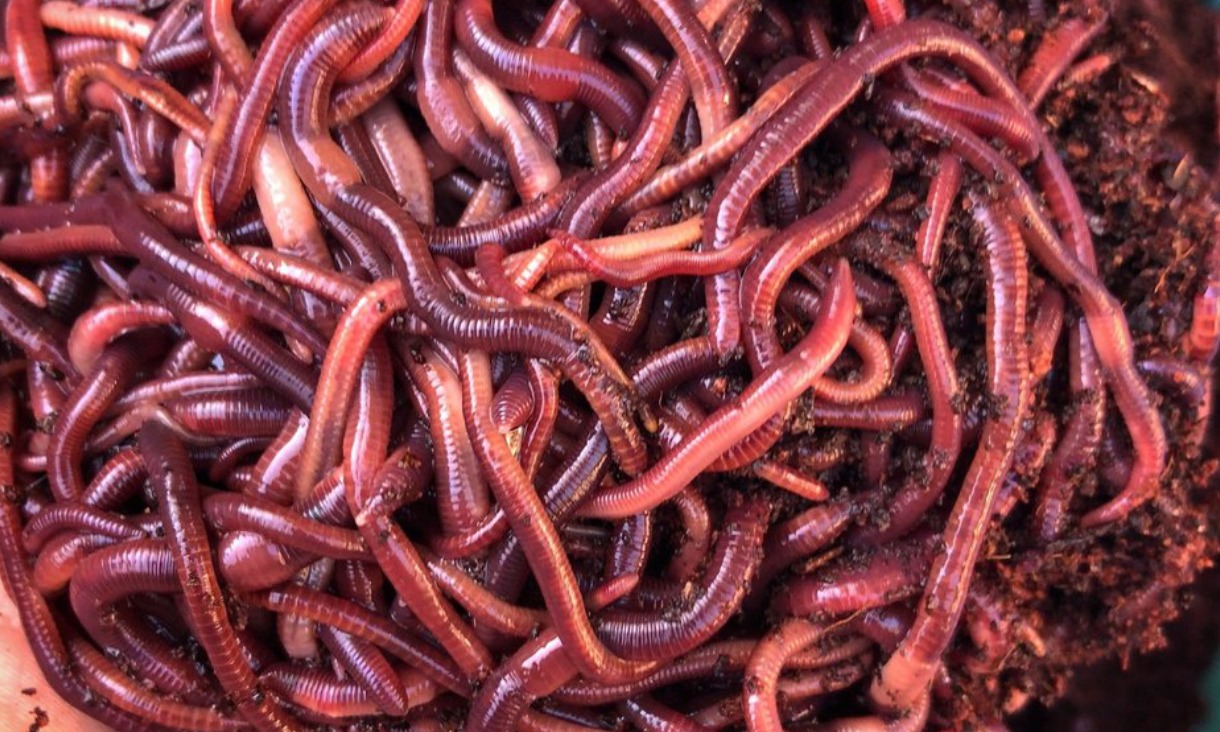
exportearthworms.com – Red wigglers (Eisenia fetida) are essential to the world of commercial vermiculture. These little guys are known for their rapid reproduction, resilience, and are highly sought after by composting operations, bait suppliers, research labs, and even the pet-food industry across the globe. For those in worm-farming hotspots, exporting live red wigglers can be quite profitable, especially since the demand often exceeds local supply in regions with thriving gardening, aquaculture, and bait markets.
However, since we’re talking about live organisms that might carry soil-borne pathogens or potentially become invasive if released, it’s crucial for exporters to combine proper care and packaging with a thorough regulatory and documentation process before shipping them internationally.
Market destinations and demand signals
When it comes to live red wigglers, demand typically falls into four main categories of buyers:
- (1) research and lab supply companies that need specific strains
- (2) commercial composters and organic farms
- (3) fishing-bait wholesalers
- (4) hobbyists and pet supply distributors.
Key import markets usually include North America, Europe, and certain regions in East and Southeast Asia. However, each of these markets has its own set of entry requirements, allowed species, and approved pathways. Before you finalize a deal with a buyer, it’s crucial to double-check the specific import regulations for their country. Many governments have different rules for earthworms compared to other live animal imports, often requiring unique containment measures or documentation.
Regulations you must plan for (big-picture)
When it comes to exporting live earthworms, there’s a lot more to consider than just packing them up. Many countries have specific requirements, like permits that might include certain rearing or containment standards. Plus, border control often demands official government certifications to prove the worms’ origin, health, and that the shipping materials are free from soil or pests.
For instance, in the United States, importers need to obtain a special permit (PPQ 526) and adhere to strict rearing, treatment, and containment guidelines before shipping. Similarly, Canada and several EU member states also require certification and have their own rules for earthworm shipments. This means it’s crucial to connect with your national plant or animal health authority and your buyer’s veterinary or plant protection agency early on in the sales process.
Paperwork & certificates (checklist)
When it comes to exporting red wigglers, you’ll typically need to gather some or all of the following documents, depending on the country:
- A commercial invoice and packing list from the exporter.
- A certificate from your national authority, which could be a phytosanitary certificate, an animal health/zoosanitary certificate, or a specific export permit.
- An import permit or declaration from the buyer, as some places require the importer to have a permit before the shipment goes out.
- If requested, you may need to provide evidence of your containment and rearing protocols, like records of feed, the origin of the substrate, and cleansing periods.
- If you’re shipping by air, make sure your transport documents comply with IATA Live Animals Regulations.
The type of official certificate you’ll need really depends on how the importing country categorizes earthworms. In many cases, national authorities will accept a declaration or certificate confirming that the worms were raised in controlled facilities and shipped in sterile or approved bedding. Always make sure to get written confirmation of the exact document your buyer’s border authority needs before you send anything out.
Pricing reality sources & examples
When it comes to pricing, it’s essential to look at various sources and examples. Public marketplace listings and buyer requests reveal a diverse array of prices and demand trends. For instance, bulk vermicompost and earthworm buyers can be found on trade platforms like ExportHub and B2B marketplaces such as Alibaba. Additionally, local classifieds provide valuable insights into small-scale wholesale price ranges, which can serve as useful reference points for developing your pricing model. However, it’s crucial to always confirm with buyers in your target country and take into account any export-related costs.