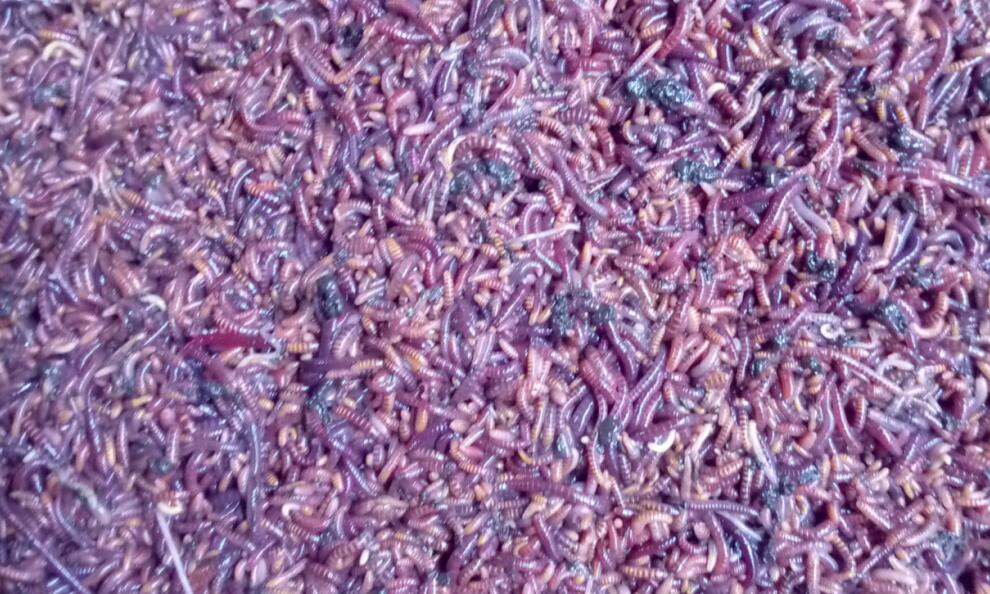
exportearthworms.com – Red wiggler worms, also known as Eisenia fetida, red worms, or composting worms, may be small, but they’re powerful allies for gardeners looking to boost soil health and increase yields without relying on heavy chemicals. Unlike earthworms that dig deep into the ground, red wigglers prefer to hang out in the rich, shallow organic layer where your garden’s roots and microbes do their best work. By adding red wigglers to your garden or compost system, you can speed up decomposition, make nutrients more accessible to plants, and enhance the physical properties of the soil all of which contribute to stronger plants and more bountiful harvests. For those who prioritize sustainability, cost-effectiveness, and long-term soil health, red wigglers offer quick, tangible results with very little hassle.
How Red Wigglers Improve Soil Structure (Long-term, Visible Changes)
Red wigglers play a vital role in enhancing soil structure in several interconnected ways. As they munch on organic matter, their digestion breaks down larger pieces into fine, crumbly castings tiny particles that come together to form stable aggregates. These aggregates boost porosity and create a sponge-like balance of air and water in the root zone, which helps plants fend off both drought stress and waterlogging.
The burrowing and movement of these wriggly friends also create micro-channels that enhance infiltration and root penetration, making a big difference in compacted garden beds or clay-heavy soils. With regular applications of vermicompost or by creating worm-friendly conditions in your garden, you’ll notice that the soil crumbles easily in your hands, drains well after rain, and retains moisture between waterings. These qualities lead to reduced irrigation needs and healthier, more vigorous root systems.
Fertility Boost: Nutrient-Rich Castings and Microbial Magic
One of the standout perks of red wigglers is their ability to produce vermicast worm castings that are packed with nutrients and biologically active. These castings concentrate essential elements like nitrogen, phosphorus, potassium, calcium, magnesium, and a range of micronutrients into forms that plants can quickly absorb. Even more importantly for long-term fertility, vermicast is brimming with beneficial microbes, enzymes, and humic substances that enhance nutrient cycling and make soil nutrients more accessible.
Unlike raw manure or undecomposed compost, vermicast releases nutrients gradually, minimizing the risk of burning plants while providing nourishment over several weeks. Whether you apply vermicompost as a top dressing, mix it into potting blends, or amend seedling trays, it offers both seedlings and mature plants a balanced, slow-release nutrient source that promotes faster growth, richer green foliage, and more robust flowering and fruiting.
Faster Nutrient Cycling & Organic Waste Reduction (Practical and Eco-friendly)
Red wigglers are fantastic little creatures that speed up the transformation of kitchen scraps, yard waste, and crop leftovers into valuable fertilizer. With a well-maintained worm bin or a vermicomposting setup, you can turn what would otherwise be wasted organic material into top-notch growing media in just a few weeks to a few months much quicker than traditional cold composting. This quick nutrient cycling not only means less garden waste ending up in landfills but also provides a consistent supply of soil amendments right at your fingertips. By embracing vermicomposting, gardeners can cut down on household waste, reduce their reliance on synthetic fertilizers, and effectively return nutrients back to the soil where they belong. For community gardens and small farms, this approach is a scalable and budget-friendly way to enhance soil health and boost sustainability.
Boosted Plant Health & Yield: What to Expect in the Garden
When you start using red wiggler castings regularly or mix them into your potting soil, you’ll notice some impressive changes in your plants. Get ready for stronger root systems, healthier foliage, more blooms, and often larger fruits. The diverse biology that comes with vermicast also helps keep some soil-borne diseases at bay and makes plants more resilient against pests and environmental challenges. Vegetable gardeners often share stories of earlier harvests and increased yields per plant after incorporating vermicompost. And for those growing ornamentals, expect to see fuller, more colorful displays with extended blooming periods. These benefits in yield and plant health come from the combined physical, chemical, and biological enhancements that red wigglers provide to the root zone.
How to Use Red Wigglers in Your Garden (Practical Steps & Dos and Don’ts)
- Setting up a worm bin or a cold frame vermicomposting system is a great start. Choose a bin that allows for drainage and airflow. Begin with some cozy bedding like shredded paper, coconut coir, or aged compost, and then introduce your red wigglers. When it comes to feeding, stick to small amounts of kitchen scraps, and steer clear of too much citrus, meat, or oily foods.
- For top-dressing and side-dressing, sprinkle about 1–2 inches of vermicompost around the base of your plants every 4–6 weeks during the growing season. If you’re working with seedlings, consider mixing in 10–20% vermicompost into your seed-starting mixes to give them a gentle nutrient boost.
- When it comes to soil incorporation, blend small amounts (around 5–10% by volume) into your bed soils before planting. This will enhance the soil structure and boost microbial life without overwhelming your seedlings.
- You can also make “worm tea” by steeping vermicompost in water for 12–24 hours. This nutrient-rich liquid is perfect for foliar feeding and should be used right away just avoid storing it.
- Lastly, be cautious about over-application. Vermicompost is potent, and using too much at once can lead to nutrient imbalances. It’s best to use it regularly but in moderation.
Common Concerns & Troubleshooting (What Gardeners Ask Most)
When it comes to worm systems, gardeners often have concerns about odors, pests, and unwanted critters. Ideally, a well-maintained worm bin should have an earthy smell rather than a foul one; if you notice bad odors, it could mean there’s too much food, poor drainage, or anaerobic conditions at play. To fix this, cover your food scraps with bedding and keep a balanced carbon-to-nitrogen ratio. Red wigglers thrive in temperatures around 15–25°C (59–77°F) and prefer their bedding to be moist but not soggy; extreme temperatures can slow them down. If you’re dealing with pests or flies, try burying the food under bedding, using fine mesh, or relocating the bin to a shadier spot. A common mistake for beginners is starting with either too many or too few worms it’s best to begin with a small population and let it grow, or buy a starter culture that matches your waste production.
Environmental and Long-Term Benefits (Beyond the Garden)
Bringing red wigglers into your composting routine not only benefits your garden but also supports broader environmental goals. By turning food waste into valuable soil amendments, you help cut down on methane emissions from landfills and reduce your household’s carbon footprint. Over time, improved soil structure and organic matter content can enhance carbon sequestration in your garden. Healthier, biologically diverse soils need fewer chemical inputs, which helps minimize runoff and protects local waterways. For community gardens, schools, and urban farms, vermicomposting serves as a fantastic educational tool, showcasing the principles of circular resource use and building local food resilience.