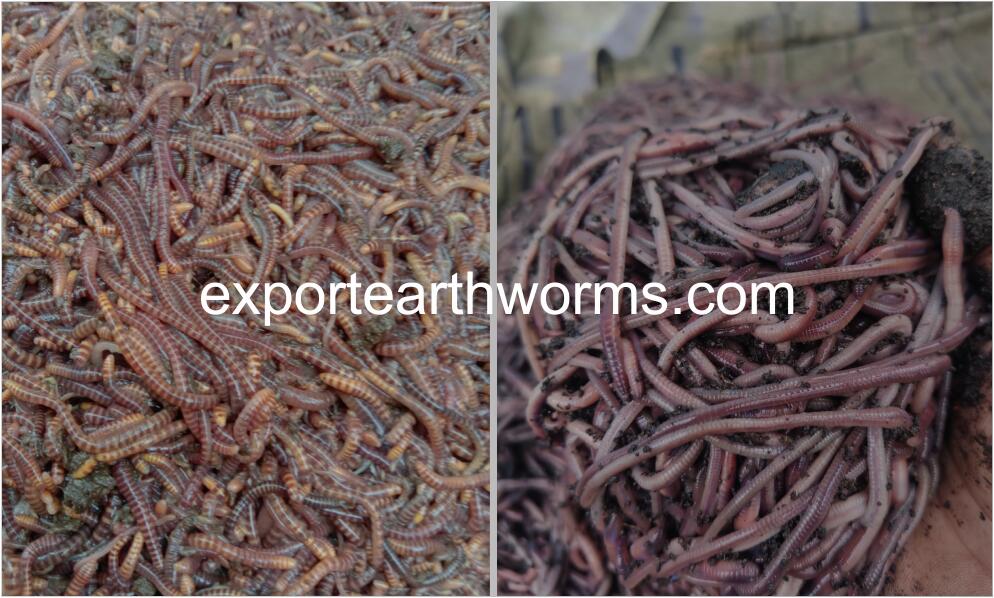
Exportearthworms.com – Restoring fertility to land that has been degraded by mining is a challenging yet attainable goal. It requires a thoughtful approach that includes careful assessment, the right amendments, and ongoing monitoring. One of the most effective organic tools for this task is vermicompost, which is the nutrient-rich, biologically active product created through the digestion of earthworms. This powerful resource helps rebuild soil structure, enhances nutrient availability, and revitalizes the soil’s microbial communities, all of which are crucial for healthy plant growth.
In this article, we’ll dive into why vermicompost is particularly beneficial for soils affected by mining, how to produce and apply it effectively, recommended application rates and mixtures, safety considerations (especially regarding contaminants), and how to create a phased restoration program that transforms barren, compacted mine spoil into thriving, resilient land.
Why Is Vermicompost Effective for Ex-Mining Land?
Ex-mining land often brings to mind images of degradation, infertility, and ecological imbalance. After years of digging for minerals, the soil structure usually takes a hit, nutrients are depleted, and harmful elements can build up in what’s left. Turning this land back into productive agricultural or forestry areas isn’t just about throwing on some fertilizer; it requires a well-thought-out soil rehabilitation plan. One of the most promising and sustainable options out there is vermicompost.
So, what makes vermicompost such a great choice for ex-mining land? The secret lies in its unique blend of biological, chemical, and physical properties that work together to restore soil health from the ground up. Here is the explanation:
1. Restoring Soil Structure and Physical Properties
One of the key reasons why vermicompost works wonders for ex-mining land is its knack for enhancing soil structure. Mining soils often end up compacted and lacking in aggregation, which can lead to a host of issues. When the soil structure is off, water struggles to seep in, roots have a tough time breaking through, and erosion can become a real headache.
Vermicompost is packed with humic substances and stable organic matter that help glue soil particles together into aggregates. These aggregates create little pockets of space within the soil, allowing air and water to flow more freely. This improved porosity not only boosts root growth but also supports the activity of beneficial microbes. Plus, vermicompost ramps up the soil’s ability to hold water, which is super important in those barren mining areas where moisture is hard to come by.
By slowly rebuilding the soil structure, vermicompost turns hard, lifeless ground into soft, productive growing media.
2. Enhancing Soil Fertility and Nutrient Availability
Ex-mining soils often come up short on essential nutrients like nitrogen (N), phosphorus (P), and potassium (K). They might also be lacking in secondary nutrients such as calcium, magnesium, and sulfur, along with trace elements that plants need to thrive.
Vermicompost offers a well-rounded, slow-release source of both macro and micronutrients. Unlike synthetic fertilizers that can wash away quickly, the nutrients in vermicompost are released gradually as microorganisms break down the organic matter. This steady supply of nutrients minimizes the risk of loss and ensures that plants can consistently absorb what they need.
Additionally, vermicompost boosts cation exchange capacity (CEC), which enhances the soil’s ability to hold onto and swap nutrients. In ex-mining land, where nutrient retention is often alarmingly low, this improvement is vital. Plants grown in soils enriched with vermicompost typically show off stronger root systems, lusher green leaves, and better resilience to stress.
3. Reviving Soil Microbial Life
Healthy soil is like a bustling community, full of life. Sadly, ex-mining land often misses out on these beneficial microorganisms because topsoil has been stripped away and the land has been exposed to harsh conditions. Without these tiny helpers, the essential processes that cycle nutrients just can’t do their job.
Enter vermicompost, a powerhouse packed with beneficial bacteria, fungi, actinomycetes, and other microorganisms. These little guys are vital for breaking down organic matter, fixing nitrogen, solubilizing phosphorus, and keeping soil-borne pathogens at bay. By adding vermicompost to degraded land, we can breathe new life into microbial diversity and activity.
When we bring back these microbial communities, we kickstart the natural regeneration process. These microbes form symbiotic relationships with plant roots, boosting nutrient uptake and helping plants become more resilient. So, vermicompost doesn’t just nourish the soil; it also helps rebuild its biological engine.
4. Neutralizing Soil Toxicity and Improving pH Balance
Many ex-mining sites face serious challenges like extreme pH levels or heavy metal contamination. Take acid mine drainage, for instance it can turn soils highly acidic, making them unwelcoming for most plants. Plus, heavy metals like lead, cadmium, or arsenic can linger, posing risks to both plants and the environment.
Vermicompost is a game-changer here, as it contains humic and fulvic acids that help buffer soil pH, gradually nudging it toward a more neutral range. This buffering action makes nutrients more accessible and creates a friendlier environment for plant growth.
Moreover, the organic matter in vermicompost can bind heavy metals through complexation, reducing their bioavailability. While it doesn’t completely wipe out contamination, it significantly decreases the mobility and toxicity of harmful elements. This makes vermicompost an invaluable ally in phytoremediation and ecological restoration efforts on ex-mining land.
5. Supporting Vegetation Establishment and Growth
Revegetation plays a vital role in bringing ex-mining land back to life. Without plants, soil erosion can worsen, and the natural recovery process can hit a standstill. However, getting vegetation to thrive in degraded soils can be quite a challenge due to their poor fertility and tough conditions.
Research has shown that using vermicompost can significantly boost seed germination rates and help plants grow stronger in their early stages. The plant growth regulators found in vermicompost, like auxins, gibberellins, and cytokinins, encourage root growth and shoot development. These beneficial substances give seedlings a much-needed advantage in less-than-ideal soils.
Once the plants are established, their root systems help to stabilize the soil, reduce erosion, and add organic matter back into the ecosystem through root exudates and leaf litter. This creates a positive feedback loop that speeds up the recovery of the ecosystem.
6. Long-Term Sustainability and Environmental Benefits
Another reason vermicompost shines in rehabilitating ex-mining land is its sustainability. Vermicomposting turns organic waste into a valuable fertilizer, which helps cut down on landfill waste and greenhouse gas emissions. Using vermicompost aligns with the principles of a circular economy and encourages responsible land management practices.
Unlike chemical fertilizers, vermicompost doesn’t lead to nutrient runoff or groundwater contamination when used correctly. It improves soil health over the long haul instead of just providing a quick nutrient fix. For mining companies looking to comply with environmental regulations and showcase responsible land reclamation efforts, vermicompost is a practical and eco-friendly choice.
Moreover, rehabilitated ex-mining land can be transformed into agricultural fields, forestry plantations, or community green spaces. The use of vermicompost not only aids in ecological restoration but also fosters socio-economic development in nearby communities.
7. Cost-Effectiveness in Land Reclamation Projects
When it comes to large-scale land rehabilitation projects, the costs can really add up, especially if you need to replace a lot of soil. Importing topsoil can be not only pricey but also a logistical headache. That’s where vermicompost comes in as a more budget-friendly option or a great supplement to topsoil.
One of the best things about vermicompost is that it gradually enhances soil properties, allowing for staged applications that help keep initial costs down. Plus, it boosts plant survival rates, which means you won’t have to replant as often or spend extra on inputs. Over time, as the soil quality improves, you’ll find that maintenance costs drop and land productivity goes up.
If you produce vermicompost locally using agricultural or organic waste, it becomes even more cost-effective. This approach not only saves money but also creates jobs and supports sustainable development efforts.
8. Integrating Vermicompost into Rehabilitation Strategies
To get the best results, it’s essential to weave vermicompost into a well-rounded land rehabilitation plan. This could involve soil testing, adjusting pH levels, implementing erosion control measures, and choosing the right pioneer plant species. Pairing vermicompost with cover crops, mulching, and biochar can really take your restoration efforts to the next level.
Application rates will depend on the specific soil conditions and the goals of your project, but even using moderate amounts of vermicompost can lead to noticeable improvements in soil quality. Regular monitoring is key to ensuring that indicators of soil health like organic matter content, microbial activity, and nutrient levels continue to show progress over time.
Exportearthworms.com Accepts Large-Scale Vermicompost Orders for Ex-Mining Sites
In today’s world, where taking care of our environment and managing land sustainably is more important than ever, fresh ideas are popping up to help heal landscapes scarred by industrial activities. One exciting approach that’s catching on among environmental engineers, rehabilitation experts, and government bodies is large-scale vermicomposting. Leading the charge is exportearthworms.com, a trailblazing supplier of top-notch earthworms and vermicompost solutions, now open for bulk orders specifically aimed at revitalizing ex-mining sites. This ambitious initiative has piqued the interest of conservationists and land restoration professionals around the globe, establishing the company as a key player in the quest for sustainable land recovery.
The mining industry, while vital for the economy, often leaves behind a trail of damaged soil, disrupted ecosystems, and lifeless landscapes. Ex-mining sites frequently face challenges like poor soil structure, low nutrient levels, and contamination, which can make natural recovery a slow process if it happens at all without some human help. Aware of this issue, exportearthworms.com has broadened its offerings to include large-scale vermicomposting solutions aimed at kickstarting natural soil processes in an efficient and sustainable way. With its all-encompassing approach and dedication to environmental care, the company brings hope for transforming damaged land back into thriving ecosystems.