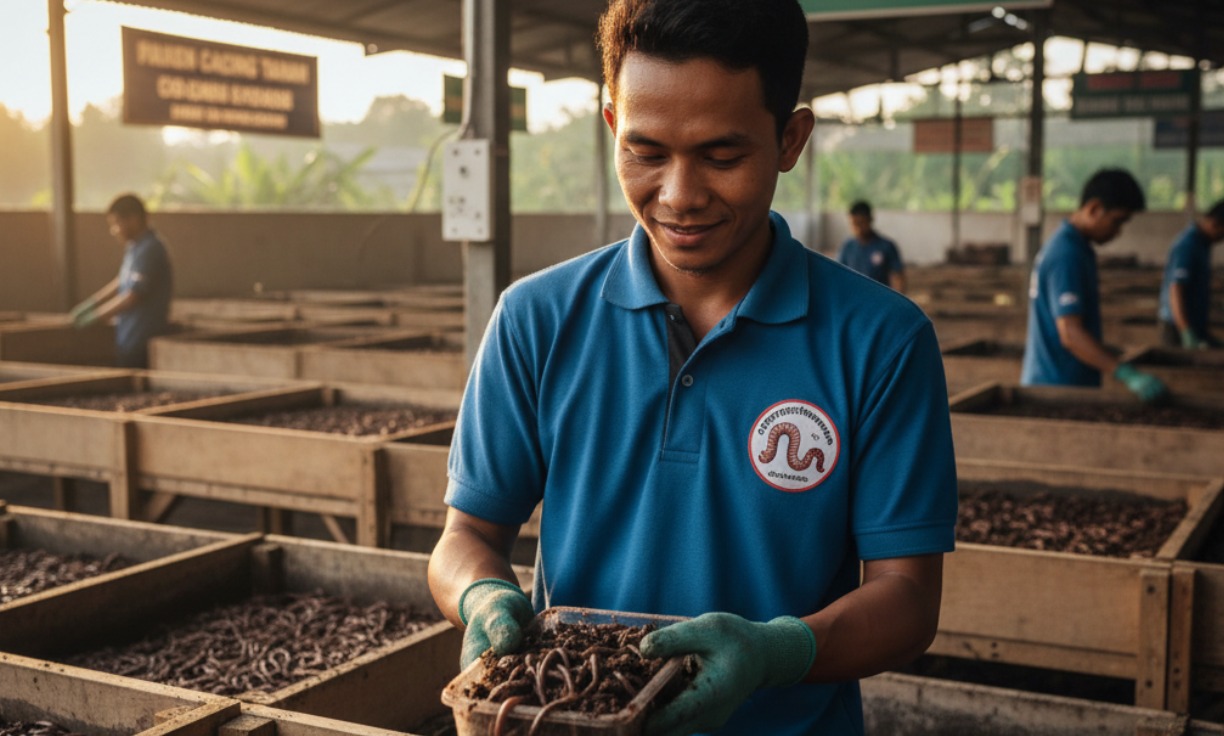
exportearthworms.com – If you’re gearing up to purchase earthworms in bulk for export, this guide offers a straightforward, SEO-friendly look at where to find worms, what prices to anticipate, how suppliers determine their pricing, and the necessary steps for export, packaging, and regulations you need to consider.
The market for live worms like red wigglers, European nightcrawlers, African nightcrawlers, and other varieties is primarily served by two main types of suppliers: specialized worm farms that provide bulk live stock and global B2B marketplaces that link commercial growers with buyers around the world. Understanding the right species, minimum order quantities (MOQs), and the required paperwork for international shipments can help you save money and minimize the chances of customs delays.
Understanding why wholesale sourcing is important (and what “wholesale” really means)
When you buy wholesale for export, it typically involves getting worms in bulk like pounds, kilograms, or counts by the thousand at a much lower price per unit compared to retail packs aimed at gardeners and hobbyists. Wholesale suppliers can provide consistent genetics and species, larger quantities (think hundreds of pounds or thousands of worms), quality samples, and, importantly for exporters, the necessary documentation and packing procedures for shipping live animals.
Picking the right supplier is all about finding the right balance between price, quality (ensuring disease-free rearing and accurate species identification), and export experience (like their ability to provide required certificates and properly pack worms for transport). Many specialized farms specifically sell bulk “red wigglers” or nightcrawlers and offer tiered pricing that gets better as you buy more.
Where to buy: marketplaces, specialist farms, and wholesalers
If you’re looking to buy wholesale earthworms for export, there are three solid options to consider:
Global B2B Marketplaces
Platforms like Alibaba, TradeHub, and ExportHub are great places to start. They feature a variety of producers from Asia, Europe, and the Americas who offer live worms, worm eggs, dried worms, and processed worm products. These marketplaces are perfect for discovering suppliers, comparing minimum order quantities (MOQs) and price quotes, and reaching out to multiple producers in no time.
Specialist Worm Farms (Direct Suppliers)
Established worm farms often have dedicated wholesale sections where you can purchase bulk live worms. They typically guarantee live arrivals and offer tiered pricing for larger orders. Well-known producers usually publish their price lists and pack counts, making it easier to see how consumer prices translate to bulk purchases. Buying directly from a farm gives you better control over species selection, quality checks, and the chance to negotiate packing and shipping details.
Regional Aggregators and Distributors
Some companies gather production from various small farms and repackage it for export. They can assist with certification, palletized shipments, and logistics. For export buyers who prefer to avoid the hassle of dealing with multiple small vendors, these aggregators provide a convenient solution.
When reaching out to suppliers, be sure to ask about: species and strain (like Eisenia fetida, Dendrobaena veneta, Lumbricus spp., etc.), counts per unit (worms per pound or per 1000), live arrival guarantees, minimum order quantities, packing methods for export, and any experience they have with your target market.
Typical wholesale pricing (how suppliers charge)
When it comes to wholesale pricing, there’s quite a bit of variation based on factors like species, region, quantity, and the level of service provided by the supplier (think things like certificates or pre-shipment quarantine/cleansing). For hobbyists, retail packs usually go for tens of dollars, offering hundreds of worms. However, when you look at wholesale pricing, the cost per worm or per kilogram drops significantly. For instance, in the U.S., consumer pack prices can range from $20 to $90 for hundreds to a few thousand worms.
On the other hand, bulk listings and wholesale pages on marketplace sites show that larger orders can run into the hundreds of dollars (or even more) for many thousands of worms or pallet quantities, which really benefits those buying in bulk. These public price points can serve as handy benchmarks when you’re negotiating bulk quotes with producers.
Here’s how suppliers usually present their prices:
- By count (like 1,000 worms or 5,000 worms) – this is pretty standard for red wigglers and composting worms.
- By weight (in pounds or kilograms) – this method is often used for nightcrawlers and mixed shipments, with counts per pound varying depending on the species and size.
- By pallet or container – this is the go-to for really large orders that need special packaging, live feed, and custom crates.
When it comes to budgeting, a good rule of thumb is to expect some significant variations. For instance, small U.S. farms might sell around 1,000 red wigglers for just a few dollars, while buying in bulk from commercial suppliers can really bring down the cost per worm. Always make sure to ask for a written quote that covers packaging and any documentation fees, as these can add up when you’re exporting live organisms.
How to evaluate and vet a wholesale supplier
When you’re on the hunt for wholesale suppliers for export, think of them just like any agricultural export partner. It’s crucial to check their quality controls, rearing practices, references, and experience in exporting. Here are some key steps to vet them:
- Species verification & purity: Request photos, species names, and the expected counts per pound. Misidentified worms can behave differently in your target markets, so this step is vital.
- Biosecurity & rearing practices: Suppliers should explain their bedding and feed methods, and whether the worms are raised on soil-free or pasteurized substrates. This is especially important due to import regulations that prohibit soil contamination.
- Sample order: Always kick things off with a paid sample or a small trial bulk shipment. This way, you can assess live arrival, packing quality, and survival rates.
- References & export history: Don’t hesitate to ask for details about their past export destinations and seek out references or reviews from other importers.
- Certificates & inspection: Make sure the supplier can provide any necessary export documentation, like phytosanitary certificates and health declarations, and that they can accommodate pre-shipment inspections if required.
- Packing and live-shipment SOPs: Inquire about how the worms are packed, including the media used, oxygen considerations, and insulation. Also, check their recommendations for transit times and whether they offer temperature-controlled crates for longer shipments.
By following these checks, you can minimize risks and establish a dependable supply chain.
Read More: Top Countries Buying Earthworms: Export Opportunities & Market Demand
Export rules, permits and quarantine – what you cannot ignore
When it comes to exporting live earthworms, there are some important rules and regulations you just can’t overlook. Different countries have their own ways of handling these little critters, often requiring permits or imposing restrictions. This is mainly because earthworms can carry harmful plant or animal pathogens or even become invasive in new environments.
For instance, in the U.S., you’ll need a PPQ-526 import permit for earthworms, which comes with strict guidelines for rearing and cleaning them before they can be shipped. Other countries, like Canada and those in the EU, have their own phytosanitary regulations or may require specific lab containment for certain species. So, remember: never assume that live worms can just waltz across borders without the proper paperwork. Always double-check the import requirements for the country you’re sending them to and make sure your supplier is up to speed.
Additionally, keep in mind that import regulations might also call for a cleansing diet (no soil allowed) before shipping, inspections of labs or facilities, or even restrictions on releasing them into the environment. Some places might ask for a phytosanitary certificate or special pest permits, and the exact paperwork you’ll need can vary based on the species, whether the product is live or processed, and the agency handling the import.